Free Expert insights, Tools & resources

  • We drill HSE into people’s heads.
    Posters. Trainings. Toolbox talks.
    Yet the real silent killer?
    Ethical failures.

    Every major incident I’ve seen in the field started long before the accident report.
    It started with a decision.
    A shortcut.
    A silence.
    A compromise.

    During my master’s, engineering ethics resonated with me.
    It’s complex to tackle, because it involves character, upbringing, culture and the environment.

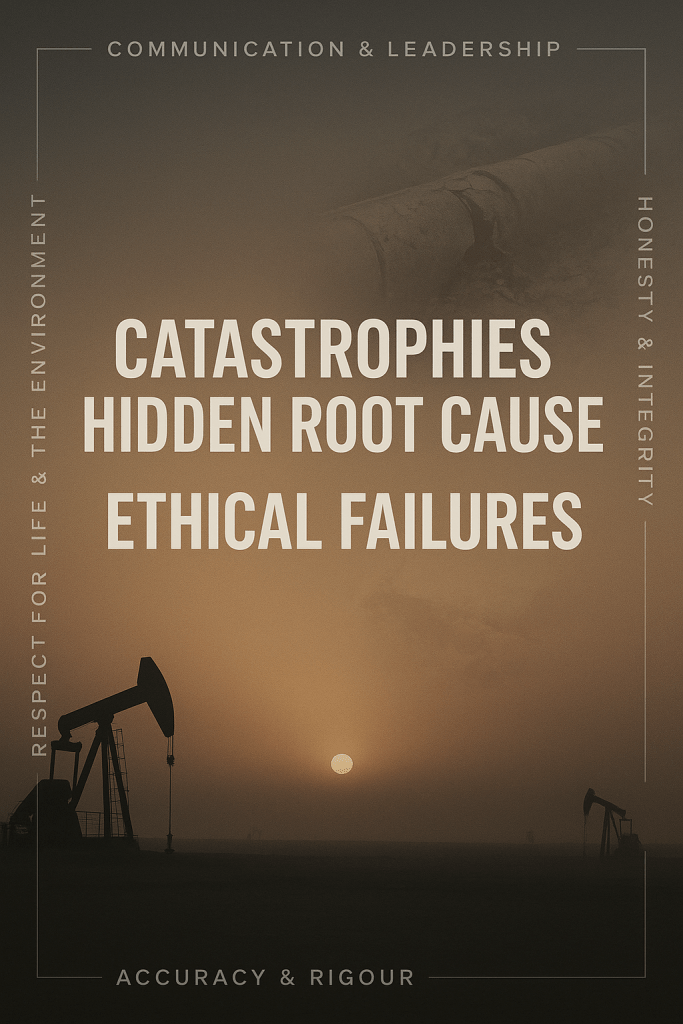
    The 4 Royal Academy of Engineering principles taught it well.
    communication & leadership, honesty & integrity, accuracy & rigour, respect for life, law & environment

    Do you speak up?
    Do you challenge?
    Do you report?
    Do you refuse shortcuts even when everyone else says “just get it done”?

    It’s time we train ethics like we train safety.
    Loudly.
    Clearly.
    Consistently.

    The only thing standing between you and disaster is the standard you refused to bend.
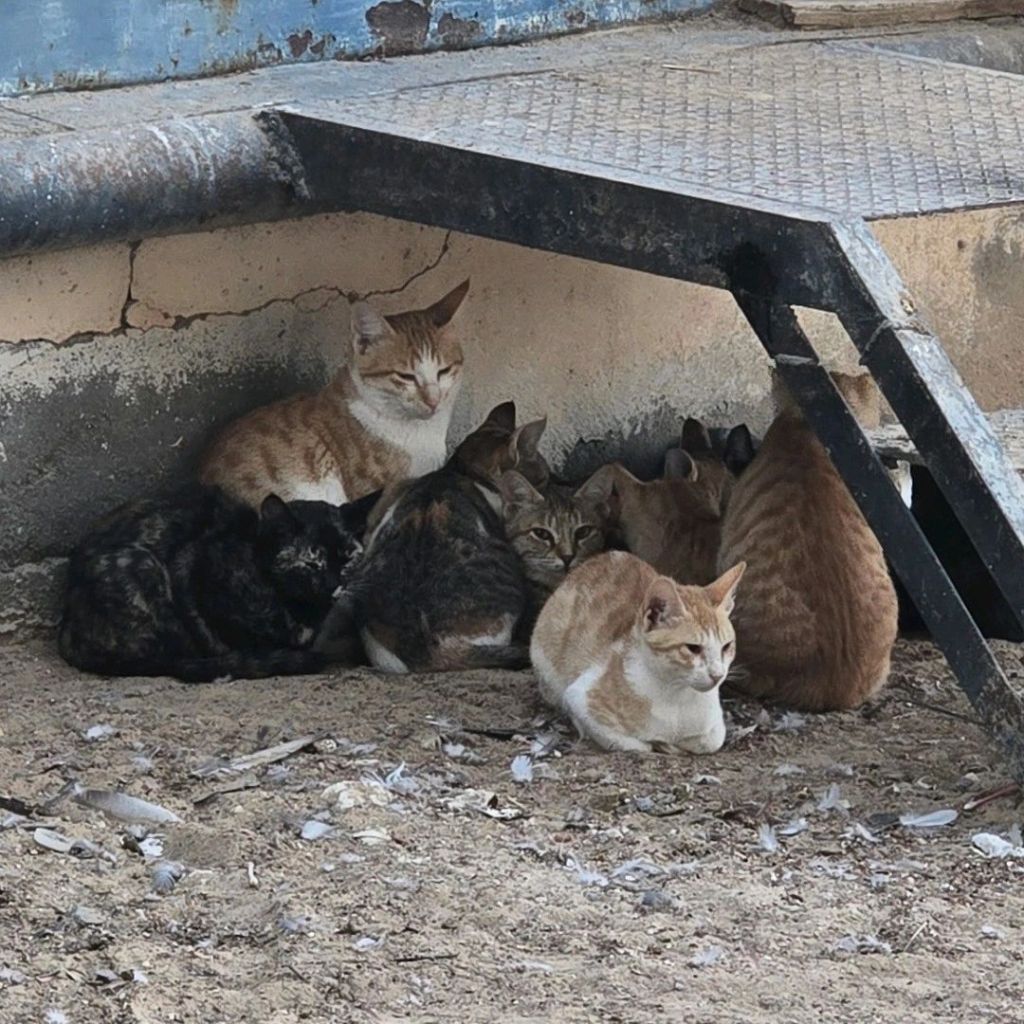
  • Winter doesn’t announce itself loudly in the Rub Al Khali… sometimes, it arrives as a pile of shivering cats.

    This morning in Al Wusta, Sahmah Oil Field, I found this little reminder that temperatures are dropping fast: a group of kittens clumped together, stealing whatever warmth they can.

    It’s officially “check under your car before you start the engine” season.

    But the cold brings a few other tell-tale signs in the field:

    1. Gas condensation shoots up (way more problematic than it sounds).

    2. Maintenance suddenly becomes… enjoyable.

    3. Dehydration risk and heat fatigue drops significantly

    4. Machines decide to behave and stop breaking down every hour.

    5. Everyone has a cold.

    6. Eyes on hydrate formation in gas injection lines → methanol injection increased.

    Desert winters are short, sharp, and unforgiving.
    Stay warm and stay safe

  • My name is Mohamed Al Ismaili, and I’m a mechanical engineer from Oman working in the upstream oil and gas industry. At work I spend my time maintaining, troubleshooting, and improving machinery. Over the years, I’ve gained experience, insights, and countless stories that I believe could genuinely help others, by writing my story.

    So why start writing now, especially when AI is rapidly taking over content creation?

    Because when I began journaling and documenting my days, I felt something shift. I gained control over my time, my mind, and my wellbeing. I started to see the value in my own words—because they come from my perspective, shaped by my upbringing, education, environment, and the way my brain works. No AI, no matter how advanced, can replicate that. No human could, either.

    For much of my early career, I felt lost and my motivation for writing now is to prevent that for others. This blog is my way of reaching out to people who might be walking the same path—hoping that what I share will offer guidance, encouragement, or at least a sense of direction.

    And if you’re wondering what I think about AI-generated content: to put it simply, most of it ends up at the bottom of the barrel. Any true expert can immediately tell when AI is writing about their field. Even if one day AI becomes flawless in accuracy, it still won’t replace the human perspective. Human experience has a way of connecting, influencing, and inspiring that machines can never match. As a tool AI is unmatched.

    This is my first piece. I hope you enjoy it. I’ll keep writing, refining, building, and most importantly, staying authentic.

  • Our journey began with one simple belief: knowledge should be shared, not hidden — especially in an industry as complex and demanding as the oil and gas Industry

    We’re three brothers — Mohamed, Hamed, and Ahmed — each an engineer working in a different part of the oil and gas value chain.

    • Mohamed works in upstream, where exploration and production begin.
    • Hamed works in midstream, keeping energy flowing through pipelines and facilities.
    • Ahmed works in downstream, where raw hydrocarbons are transformed into the fuels and products that power the world.

    Together, our combined experience gives us a complete, real-world view of how the industry actually works — from wellhead to wheel.

    Why We Created ONG Academy

    We’ve seen countless newcomers enter this industry unsure of what to expect — and professionals eager to grow but unsure where to start. Textbooks alone don’t capture the noise, heat, safety demands, or teamwork that make this field unique.

    That’s why we built ONG Academy: to bridge the gap between theory and real life. Our goal is to educate, inspire, and prepare the next generation of oil and gas professionals with practical, field-tested knowledge.

    What You’ll Find Here

    • Learning paths that cover the entire oil and gas value chain — upstream, midstream, and downstream.
    • Real-world insights from active engineers working in the field every day.
    • Videos, guides, and one-point lessons that simplify complex concepts.
    • Career tips and industry expectations for those wanting to enter or advance in oil and gas.

    Whether you’re a student exploring your future, a technician eager to learn more, or a professional looking to sharpen your skills — you’re in the right place.

    Our Promise

    We’ll always keep our content:

    • Accurate — built on real experience and verified standards.
    • Practical — focused on what actually matters on site.
    • Accessible — easy to understand, whether you’re new or experienced.